
Author's details
- Dr. Khashau Eleburuike
- MBBS (Ilorin) MSc. Global Health Karolinska Institute.
- Resident doctor in family medicine in Northern Sweden.
Reviewer's details
- Dr. Gboyega Olarinoye
- MBBS, FMCP.
- Dermatologist FMC Keffi Nassarawa State. Nigeria
Vitiligo
Background
Vitiligo in darker-skinned individuals results in well-defined patches of depigmented skin, which can be more noticeable due to the contrast between the light and dark areas. The condition is caused by the loss of melanocytes, the cells responsible for skin pigmentation, and may also cause associated social or psychological challenges due to its appearance. Treatment options include topical corticosteroids, calcineurin inhibitors, phototherapy with narrowband UVB light, and in some cases, depigmentation therapy or skin grafting to address the aesthetic concerns.
Lesion image

https://www.webmd.com/skin-problems-and-treatments/features/vitiligo-darker-skin-tones
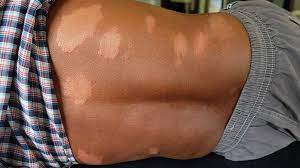
Image source: Prawet Thadthiam/Shutterstock https://www.everydayhealth.com/leprosy/

References
- Bishnoi A, Parsad D. Clinical and molecular aspects of vitiligo treatments. International journal of molecular sciences. 2018 May 18;19(5):1509.
- Speeckaert R, van Geel N. Vitiligo: an update on pathophysiology and treatment options. American journal of clinical dermatology. 2017 Dec;18(6):733-44.
- Roopal V. Kundu MD. Vitiligo in Darker Skin Tones. Available at: https://www.webmd.com/skin-problems-and-treatments/features/vitiligo-darker-skin-tones. Accessed -02-19, 2024.